
+
 WeChat:weixinhao

WeChat:weixinhao

ESOS Helpline 400-657-5166
You Are Here:Home > Information Dynamics
> Industry dynamics
News navigation
Recommended News
Recommended Products
What is the function of plastic pallets
source:www.zhihangmama.cn | Release time:2025-08-06
Plastic pallets are widely used load-bearing tools in logistics, warehousing, transportation, and other fields. Their core function is to achieve modular and standardized management of goods, while providing stable and efficient basic support for the storage, handling, and transportation of goods. The specific functions can be expanded from the following dimensions:
1. Cargo carrying and containerization
Centralized cargo carrying: As a "mobile platform" for goods, plastic pallets can place scattered goods (such as cardboard boxes, packaging bags, components, etc.) on top of them, forming a standardized cargo unit (such as "one pallet+multiple layers of goods"), avoiding pollution, moisture, or damage caused by direct contact with the ground (especially suitable for goods that are sensitive to moisture and dirt, such as food, medicine, electronic components, etc.).
Protecting the integrity of goods: The flat surface of the pallet can disperse the weight of goods and reduce deformation caused by stacking pressure; Some pallets with borders or anti slip design can also prevent goods from slipping during transportation.
2. Improve logistics efficiency
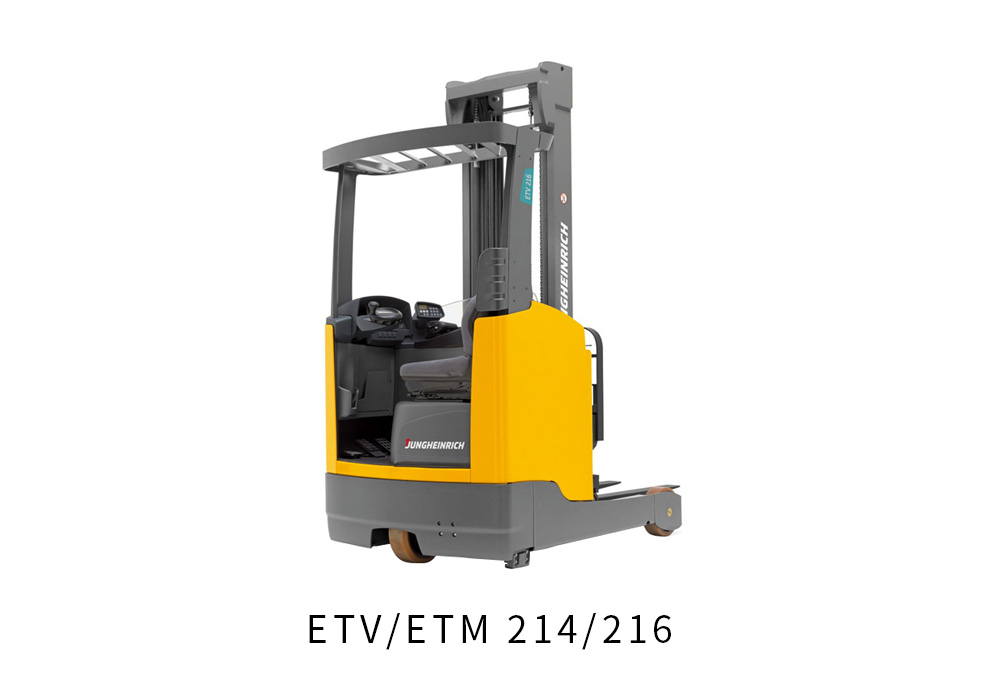
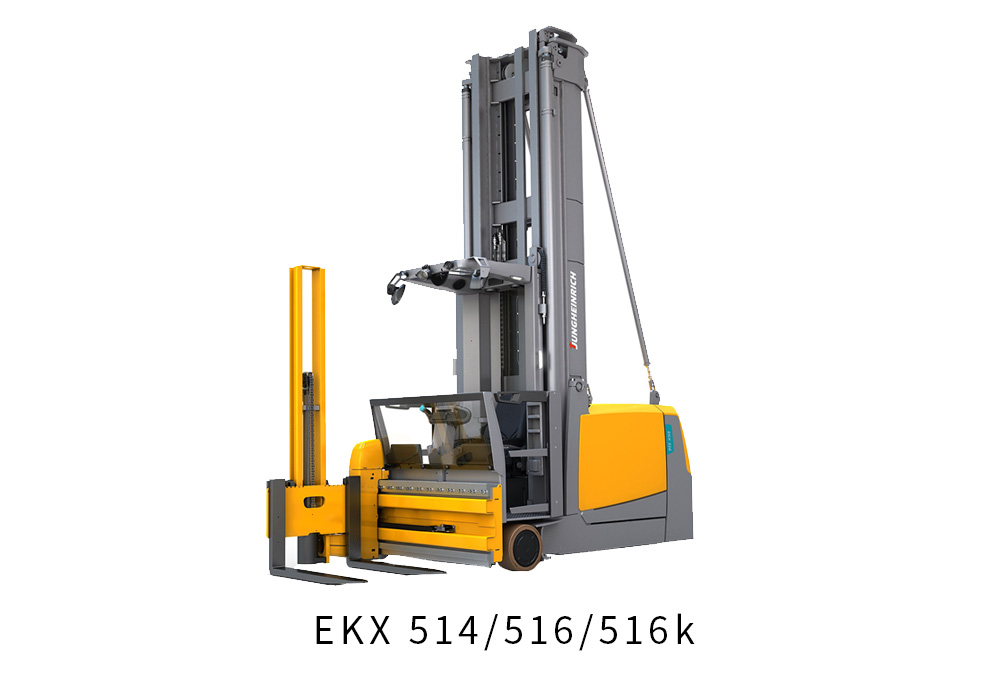
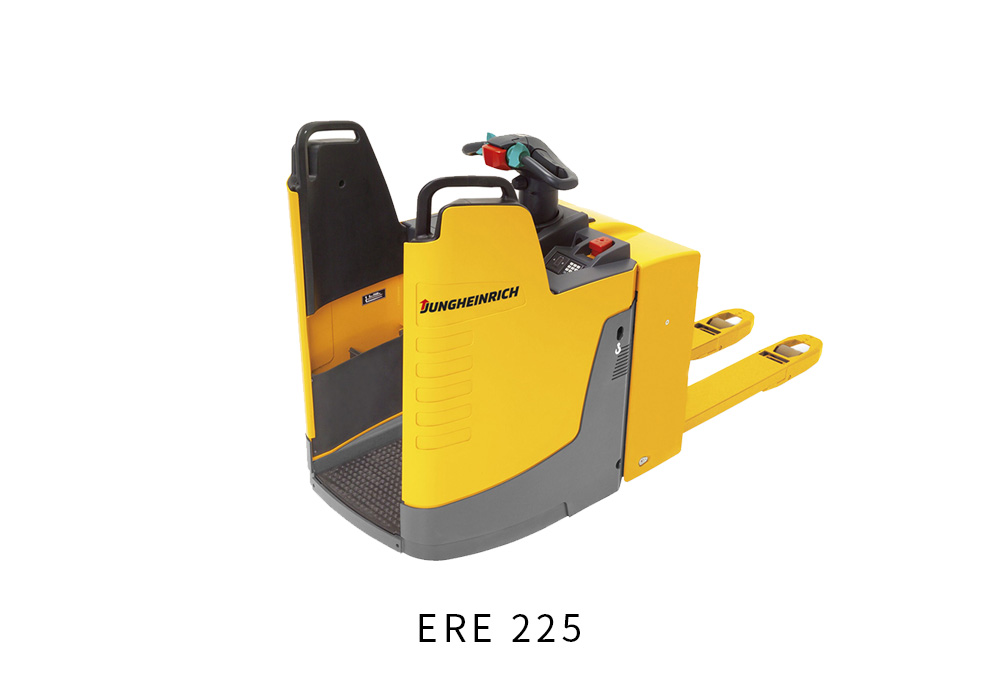
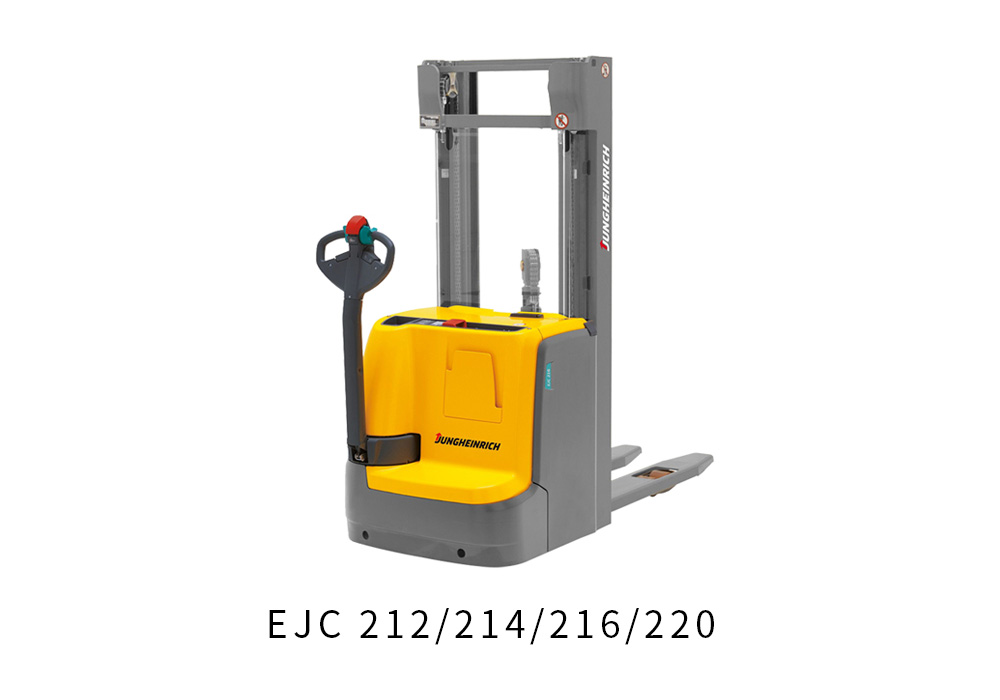
Adaptation to mechanized equipment: The size standardization of plastic pallets (such as common 1200 × 1000mm, 1100 × 1100mm, etc.) can seamlessly cooperate with logistics equipment such as forklifts, ground oxen (manual hydraulic handling vehicles), stackers, and conveyors to achieve rapid loading, unloading, handling, and stacking of goods, replacing traditional manual handling and greatly improving operational efficiency (especially in large warehouses, ports, factories, and other scenarios, efficiency can be improved several times).
Easy to stack and store: The pallet itself has a certain strength and can stack goods in multiple layers (by stacking the pallet layer by layer with a forklift), fully utilizing the vertical space of the warehouse, reducing the footprint, and improving the utilization rate of storage space.
3. Standardization and Standardized Management
Promote logistics standardization: The standardized specifications of plastic pallets make the handover of goods in transportation, warehousing, distribution and other links more standardized, avoiding problems such as difficult counting and disorderly stacking caused by the disorderly shape of goods, and facilitating logistics information systems (such as WMS warehouse management system) to track and manage goods.
Simplify the loading and unloading process: In the transportation process (such as trucks and containers), palletized goods can be directly loaded and unloaded as a whole without the need for individual handling, reducing loading and unloading time and labor costs, while also reducing the loss of goods during transit.
4. Adapt to diverse scene demands
Weather resistance and environmental adaptability: Plastic pallets have characteristics such as waterproofing, moisture resistance, corrosion resistance, acid and alkali resistance. Compared to wooden pallets, they are more suitable for humid environments (such as cold storage and aquatic product transportation), dusty environments (such as manufacturing workshops), or environments with chemical pollution; Some food grade plastic trays can also meet the hygiene requirements of the food and pharmaceutical industries (such as washability, no odor, and no bacterial growth).
Reuse and Environmental Protection: Excellent plastic pallets (such as PP and HDPE materials) have high strength and long service life (usually can be recycled more than 50 times). After being discarded, they can be recycled and reused, which is more in line with environmental protection trends compared to disposable wooden pallets and can also reduce long-term usage costs.
1. Cargo carrying and containerization
Centralized cargo carrying: As a "mobile platform" for goods, plastic pallets can place scattered goods (such as cardboard boxes, packaging bags, components, etc.) on top of them, forming a standardized cargo unit (such as "one pallet+multiple layers of goods"), avoiding pollution, moisture, or damage caused by direct contact with the ground (especially suitable for goods that are sensitive to moisture and dirt, such as food, medicine, electronic components, etc.).
Protecting the integrity of goods: The flat surface of the pallet can disperse the weight of goods and reduce deformation caused by stacking pressure; Some pallets with borders or anti slip design can also prevent goods from slipping during transportation.
2. Improve logistics efficiency
Adaptation to mechanized equipment: The size standardization of plastic pallets (such as common 1200 × 1000mm, 1100 × 1100mm, etc.) can seamlessly cooperate with logistics equipment such as forklifts, ground oxen (manual hydraulic handling vehicles), stackers, and conveyors to achieve rapid loading, unloading, handling, and stacking of goods, replacing traditional manual handling and greatly improving operational efficiency (especially in large warehouses, ports, factories, and other scenarios, efficiency can be improved several times).
Easy to stack and store: The pallet itself has a certain strength and can stack goods in multiple layers (by stacking the pallet layer by layer with a forklift), fully utilizing the vertical space of the warehouse, reducing the footprint, and improving the utilization rate of storage space.
3. Standardization and Standardized Management
Promote logistics standardization: The standardized specifications of plastic pallets make the handover of goods in transportation, warehousing, distribution and other links more standardized, avoiding problems such as difficult counting and disorderly stacking caused by the disorderly shape of goods, and facilitating logistics information systems (such as WMS warehouse management system) to track and manage goods.
Simplify the loading and unloading process: In the transportation process (such as trucks and containers), palletized goods can be directly loaded and unloaded as a whole without the need for individual handling, reducing loading and unloading time and labor costs, while also reducing the loss of goods during transit.
4. Adapt to diverse scene demands
Weather resistance and environmental adaptability: Plastic pallets have characteristics such as waterproofing, moisture resistance, corrosion resistance, acid and alkali resistance. Compared to wooden pallets, they are more suitable for humid environments (such as cold storage and aquatic product transportation), dusty environments (such as manufacturing workshops), or environments with chemical pollution; Some food grade plastic trays can also meet the hygiene requirements of the food and pharmaceutical industries (such as washability, no odor, and no bacterial growth).
Reuse and Environmental Protection: Excellent plastic pallets (such as PP and HDPE materials) have high strength and long service life (usually can be recycled more than 50 times). After being discarded, they can be recycled and reused, which is more in line with environmental protection trends compared to disposable wooden pallets and can also reduce long-term usage costs.
Shanghai Shriku Group Co., Ltd
Address: No. 888 Dongda Road, Pudong New Area, Shanghai
Shanghai Xiaofeng Supply Chain Management Co., Ltd
Address: 22nd Floor, Building B, Greenland Jiezuo, Kunshan City (100 meters south of Greenland Avenue)
Jiangsu Baojuying Plastic Industry Technology Co., Ltd
Address: No. 1188 Xinzhou Road, Wujiang District, Suzhou City
Contact phone number: 13918185781
-

Follow WeChat
Copyright © 2024 Shanghai Xuansu Industrial Co., Ltd 
Shanghai Xiaofeng Supply Chain Management Co., Ltd Jiangsu Baojuying Plastic Industry Technology Co., Ltd
Technical Support:Lange
 home
home
 WeChat
 telephone